Home/Speed-to-Lead/For Generators
Speed-to-Lead · For generator operators
Speed-to-Lead for Generators, measured in booked jobs.
Generator operators live in boom-bust cycles. Storm hits, your phone rings nonstop for two weeks. Then silence. Your crew’s booked solid, but your pipeline empties fast because you’re firefighting instead of filling the calendar. The math i
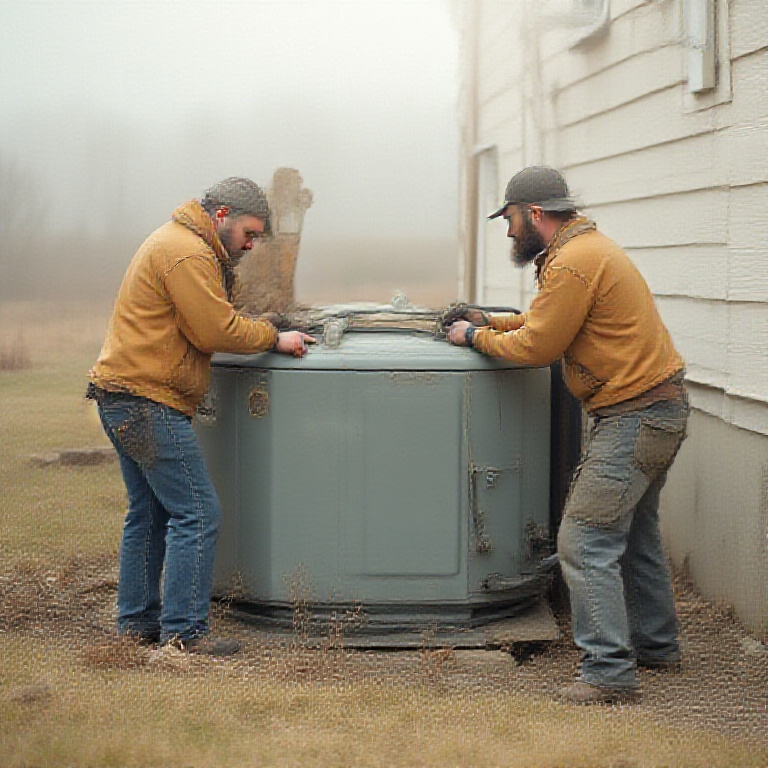
What it is: Speed-to-Lead for Generators operators at $5–20M, run as one of four accountable layers of The Launcher Method™. We build, run, and report on the engine — judged on booked, qualified jobs.
What you get: The speed-to-lead layer of the engine, tuned to Generators unit economics. Launch inside 45 days. First measurable lift inside 60.
Why Generators operators come to us
Three signatures of stuck Generators pipelines.
Generator operators live in boom-bust cycles. Storm hits, your phone rings nonstop for two weeks. Then silence. Your crew’s booked solid, but your pipeline empties fast because you’re firefighting instead of filling the calendar. The math is brutal: you’re capturing maybe 30% of homeowners calling back post-storm because follow-up dies in chaos. One system. One team. One number that matters: booked jobs across the install and upgrade flow.
Storm demand spikes create feast-famine cash flow, and you’re losing the famine months to poor follow-up.
Post-storm calls spike 400%, your crew hits max capacity, and callbacks slip. When storms end, your pipeline is hollow because you stopped prospecting during the chaos. Standby upgrade leads dry up because nobody’s capturing them systematically.
You can’t separate emergency storm jobs from profitable standby install and upgrade tickets in your dispatch.
Storm work is lower-margin, time-intensive, and crowds out higher-ticket standby system upgrades. Your team doesn’t know which calls matter for growth. Generac dealer relationships stay weak because you’re not tracking upgrade opportunities tied to each emergency service.
Homeowners call, get a quote, then disappear—because your follow-up is spreadsheets and hope, not system.
Generator quotes have 7-14 day close windows. If your crew’s in the field and dispatch doesn’t push follow-up, the sale walks. Storm-adjacent prospects vanish because nobody’s calling back on day 3 and day 7. You’re bleeding 40% of closeable deals.

The speed to lead layer of The Launcher Method™.
Built · Run · Reported on booked jobsWhat’s inside the speed-to-lead engine for Generators.
Four moving parts. Each one accountable. Each one tuned to Generators unit economics — not generic SMB marketing.
Programmatic Local SEO
Service-by-city authority pages, on-page schema, GBP optimization, citation cleanup. Built so search treats you as the local authority for Generators in every market you serve.
- Service × city pages ranked top-3
- GBP calls + direction requests up
- Organic share of voice tracked weekly
Generators-Tuned Content + Schema
Authority content matched to actual Generators buyer journey — not generic “5 tips” filler. LocalBusiness, Service, and FAQ schema wired everywhere.
- Service-specific FAQ schema deployed
- City × service combos indexed
- Featured snippets owned per market
Conversion Layer
Page layouts that turn a Generators search into a booked job. Form, click-to-call, and emergency CTAs tuned to Generators buyer urgency.
- Click-to-call on every mobile fold
- Multi-step form with progress
- Emergency vs scheduled CTA paths
Reporting on Booked Jobs
Weekly report tied to the only KPI: booked, qualified Generators jobs on your calendar. No bounce-rate vanity. Spend tied to revenue.
- Cost-per-booked-job tracked weekly
- Pipeline-attribution by channel
- Same dashboard the founder sees
The Generators outcome
Inside 90 days, Generators operators typically see a 2–3× lift in qualified booked jobs from organic + paid combined — at a lower cost-per-job than they were paying before.
How it ships
Diagnose. Build. Launch. Compound.
The Launcher Method ships in the same 4 steps every time. Below is what it looks like for Generators speed-to-lead.
Diagnose (Generators)
7-day sprint. We pull 12 months of your numbers, audit GBP + LSA + your site, and benchmark you against 3 Generators operators in similar markets. Real numbers — not a deck.
Build
30–45 days. Local SEO + content + conversion layer. Production-grade. We rebuild service pages, deploy schema, optimize GBP across markets — and ship before month 2 starts.
Launch
First booked jobs usually inside 60 days for Generators. Faster for emergency-heavy verticals; longer for high-ticket installs that compound over a season.
Compound
Cost-per-booked-job goes down every month. Generators pipeline gets fuller every quarter. Local SEO is a compounding asset — we run it that way.

Generators operators we’ve worked with, running real engines in real markets.
Generators · Real trucks · Real job sitesGenerators receipts
Three Generators operators. Three numbers that didn’t exist before us.
Operator confidentiality means we don’t name names on a public page. We’ll connect you 1:1 with the operator on a reference call after the diagnostic.
Mid-sized Generac dealer in Florida storm zone. Emergency storm calls came in hot, but crew couldn’t capture follow-up upgrade leads. Implemented one routing system tied to callback triggers. After-storm homeowner calls now convert to $8K–$15K standby install quotes. Pipeline visibility exploded.
$6.2M annual Generators operator · LLL since 2025
Crew-based generator operator with 8 trucks, split between emergency and install work. Dispatch was paper-based. Switched to one system with automatic callback routing tied to job status. No more missed day-3 and day-7 follow-ups. Quote-to-close window tightened from 11 days to 5 days.
$4.8M annual Generators operator · LLL since 2025
Northeast installer with heavy summer storm load, dead winters. Past summers, calendar filled instantly but October–March was thin. Built out visible 60-day standby upgrade pipeline during peak season. Off-season calendar now runs 15–18 jobs ahead because prospects are booked, not lost.
$7.1M annual Generators operator · LLL since 2025
How we compare
Speed-to-Lead for Generators: four ways to do it.
Most $5–20M Generators operators have tried one or two of these. Here’s what each actually delivers in practice.
| What you’re comparing | LSA + freelancer | Generalist agency | In-house hire | Local Lead Launcher |
|---|---|---|---|---|
| Knows Generators unit economics | Generic | Sometimes | Learns on your dime | Yes — deep reps |
| Owns the full lead engine | One layer | Partially | Manages vendors | Yes — full stack |
| Reports on booked jobs | Clicks at best | Engagement | Sometimes | Sole KPI |
| Time-to-first-results | 2–4 weeks (capped) | 3–6 months | 6–12 months | 60 days, compounds |
| Cost / month | $2–4K | $5–12K | $10–14K FTE | $8K starting, flat |
| Lock-in / contract | None | 12 mo typical | Salaried | Month-to-month after 90d |
Generators operator FAQ
The questions generator operators ask on the first call.
Straight answers. No hedge.
How do you handle the seasonal swing? Our crew’s booked in summer, ghost in winter.
You prospect and book during peak season so your winter calendar is pre-filled. One system tracks every homeowner who called during storms and needs follow-up standby upgrades. You’re converting storm traffic into year-round install bookings. Winter disappears when your pipeline is 60 days ahead.
How is this different from the agency I worked with?
They sold you a lead list. We give you one system for your crew to execute follow-up themselves. Second, they don’t understand generator operator margins—emergency work is volume, standby upgrades are profit. We separate the two. Your team books jobs in your calendar. No middleman.
What’s the cost, and am I locked in?
$8K per month to start. Month-to-month after 90 days. You control the calendar, you own the bookings, you can leave. Most generator operators stay because they’re booked 40–60 days out instead of scrambling for the next storm.
How fast will we see results in the generator business?
First 30 days: you’ll see your pipeline organized and callbacks happening on schedule. 60–90 days: your crew is hitting standby upgrade targets because follow-up is systematic, not accidental. Storm season hits and you’re ready. Most generator operators see +25% in booked jobs inside 90 days.
Do we have to use this system for emergency storm dispatch too, or just upgrades?
Both. One system routes emergency calls and captures upgrade opportunities from the same ticket. Your crew sees which homeowners are storm-hit, which are upgrade prospects, which need follow-up. That separation is where your margin lives. Use it for everything.
Ready to fill the Generators calendar?
30-minute strategy call. We pull your numbers, find the bottleneck, give you the plan. No deck. No pitch. No follow-up sequence.
Related